The problem
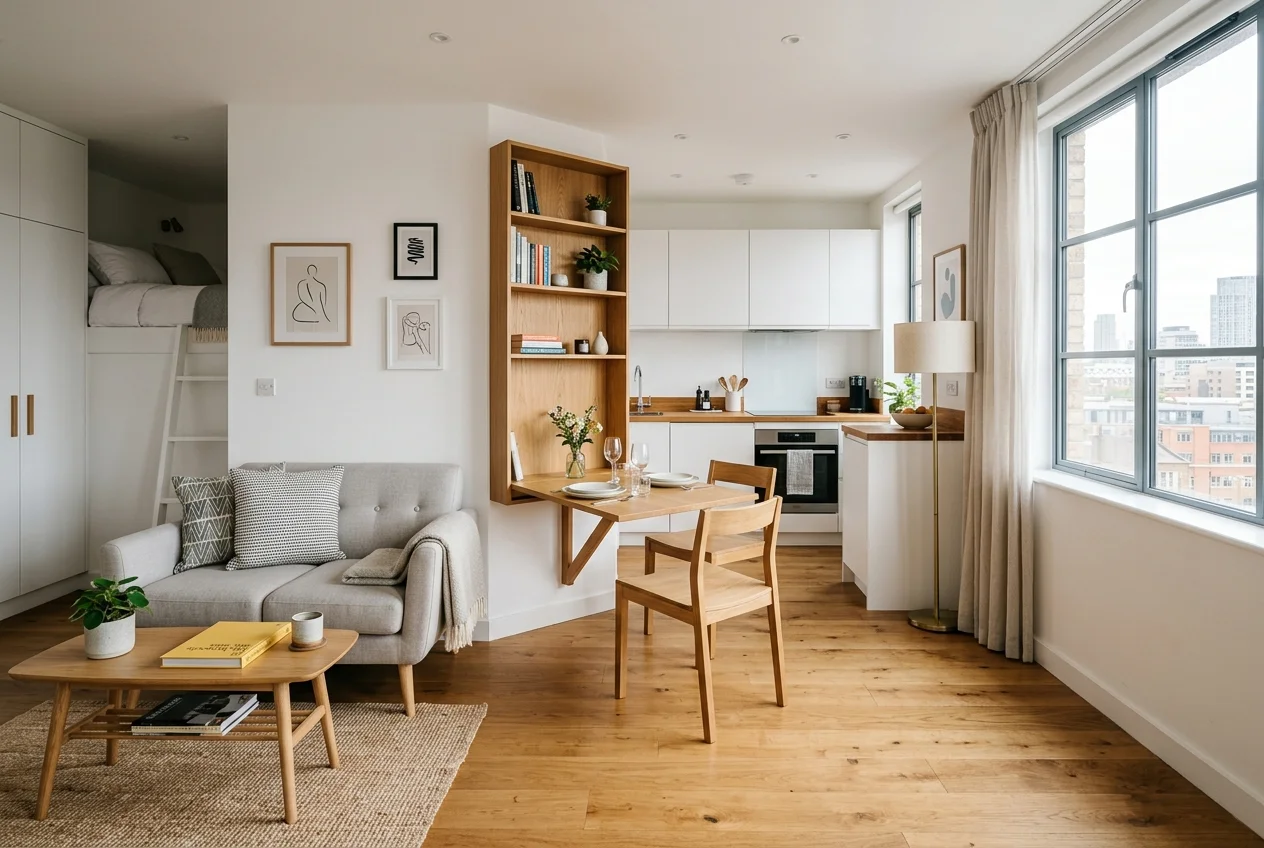
Furnishing a small apartment is incredibly challenging because every inch matters. Renters frequently make the expensive mistake of buying furniture that looks great online or in a massive showroom, only to realize it overwhelms their living room, blocks a doorway, or simply can’t fit up the stairwell. Returning large furniture is costly and stressful, meaning renters often end up stuck with pieces that make their space feel cramped and non-functional.
What to measure
Before you ever hit “add to cart,” you need to map out your space. The measure-before-you-shop framework is essential:
- The Room: Create a simple floor plan sketch with exact wall dimensions.
- The Painter’s Tape Method: Outline the exact dimensions of the furniture on your floor using painter’s tape. Leave it there for a day to see how it feels to walk around it.
- The 36-Inch Rule: Always ensure you have at least 36 inches of clear walking path for major walkways, and at least 18-24 inches between a sofa and a coffee table.
- Delivery Logistics: Measure the path, not just the room. Will the sofa fit through the building’s front door? Up the stairwell? Into the elevator? Through your apartment door?
Comparison table
| Option | Best for | Watch out for |
|---|---|---|
| Multi-functional (Sofa beds, storage ottomans) | Studios, maximizing hidden storage | Comfort trade-offs; heavy mechanisms |
| Modular Furniture | Awkward layouts, future moves | Can look disconnected; higher initial cost |
| Nesting Tables | Flexible entertaining, saving floor space | Limited surface area when stacked |
| Raised Leg Furniture | Creating visual lightness, small living rooms | Dust bunnies accumulating underneath |
Best option for different renters
For the studio renter: Prioritize multi-functional furniture. A solid sofa bed (like a sleek futon or a high-quality pull-out) and a storage ottoman that doubles as a coffee table will maximize your square footage without sacrificing utility.
For the frequent mover: Modular furniture is your best friend. A modular sofa can be configured as an L-shape in one apartment, and split into a sofa and a chair in the next. Focus on pieces that break down easily and aren’t excessively heavy.
For the renter with a tiny living room: Furniture with raised legs and see-through materials (like glass or acrylic). Pieces that sit directly on the floor (like a skirted sofa or a chunky wood coffee table) carry heavy “visual weight” and make a room feel smaller. Legs allow light to pass under, creating the illusion of more space.
Pros and limitations
The biggest advantage of small-space specific furniture is that it keeps your apartment functional and open. However, the trade-off is often comfort or cost. Extremely slim sofas might lack deep, plush cushioning, and high-quality multi-functional pieces (like a good murphy bed or expanding dining table) can be very expensive.
What to avoid
Avoid buying a full “living room set” (matching sofa, loveseat, and bulky chair). They are designed for large suburban homes and will instantly swallow a small apartment. Avoid choosing style over fit; a gorgeous oversized velvet sectional is useless if it blocks your bedroom door. Lastly, avoid pieces with sharp corners if your walking paths are tight.
Room-by-room priority order
When budgeting and furnishing, tackle rooms in this order:
- The Bed: You spend a third of your life here. Invest in a good mattress and a frame that fits the room.
- The Sofa: The centerpiece of the living space.
- Storage: Dressers, bookshelves, and rolling carts to keep clutter hidden.
- Dining: Even if it’s just a small bistro table or bar stools.
- Desk/Workspace: Essential if you work from home, but secondary to basic living needs.
- Decor: Rugs, art, and lighting come last to tie it all together.
Renter-safe cautions
- Floor-friendly feet: Always attach felt pads to the bottom of all furniture legs to protect hardwood and vinyl floors from scratches (and save your deposit).
- Wall clearance: Keep furniture an inch or two away from walls to prevent scuffing the paint.
- Wipeable surfaces: If your dining area is next to your living area, spills happen. Consider easy-to-clean fabrics or removable slipcovers.
Budget alternatives
- When to buy Secondhand: Dining tables, solid wood dressers, nightstands, and coffee tables. These can be easily sanitized or painted.
- When to buy New: Mattresses, upholstered sofas (to avoid pests), and complex multi-functional pieces where you need a warranty on the moving parts.
Recommended product
For a compact living room, the DOPEDIO 71.25-inch chenille loveseat is a relevant product starting point. Confirm the full sofa dimensions, delivery route, cover care, seat depth, seller, price, and return terms before ordering. Home in Layers has not personally tested this product.
View the DOPEDIO compact loveseat on Amazon (affiliate link)
Related Home in Layers articles
- How to Choose a Small Sofa
- Narrow Dining Tables
- Desks for Small Spaces
- How to Choose an Apartment Rug
- Living Room Layout Guide
Takeaway
Buying furniture for a small apartment isn’t about compromising on style; it’s about being ruthless with your tape measure to ensure every piece truly earns its square footage.
Explore More on Pinterest
Save this guide to your boards or check out our daily small-space styling ideas, renter-safe DIYs, and apartment resets.