Quick answer
To get your deposit back, clean your apartment from top to bottom (ceiling fans down to baseboards) after all furniture is removed, paying special attention to the oven, refrigerator, and bathroom grout, which are the most common deduction traps.
Who this is for
This guide is for renters preparing to move out who want to ensure they receive their full security deposit back. It’s especially useful if you are doing the cleaning yourself rather than hiring a professional service, and need a strategic plan to tackle the mess efficiently.
What to measure first
Before you start cleaning, measure your timeline.
- Two weeks out: Start repairing walls and patching nail holes.
- One week out: Clean areas you rarely use, like guest bathroom showers or high closet shelves.
- Moving day: Plan for at least 4-6 hours of deep cleaning after the moving truck has left.
Room-by-room checklist
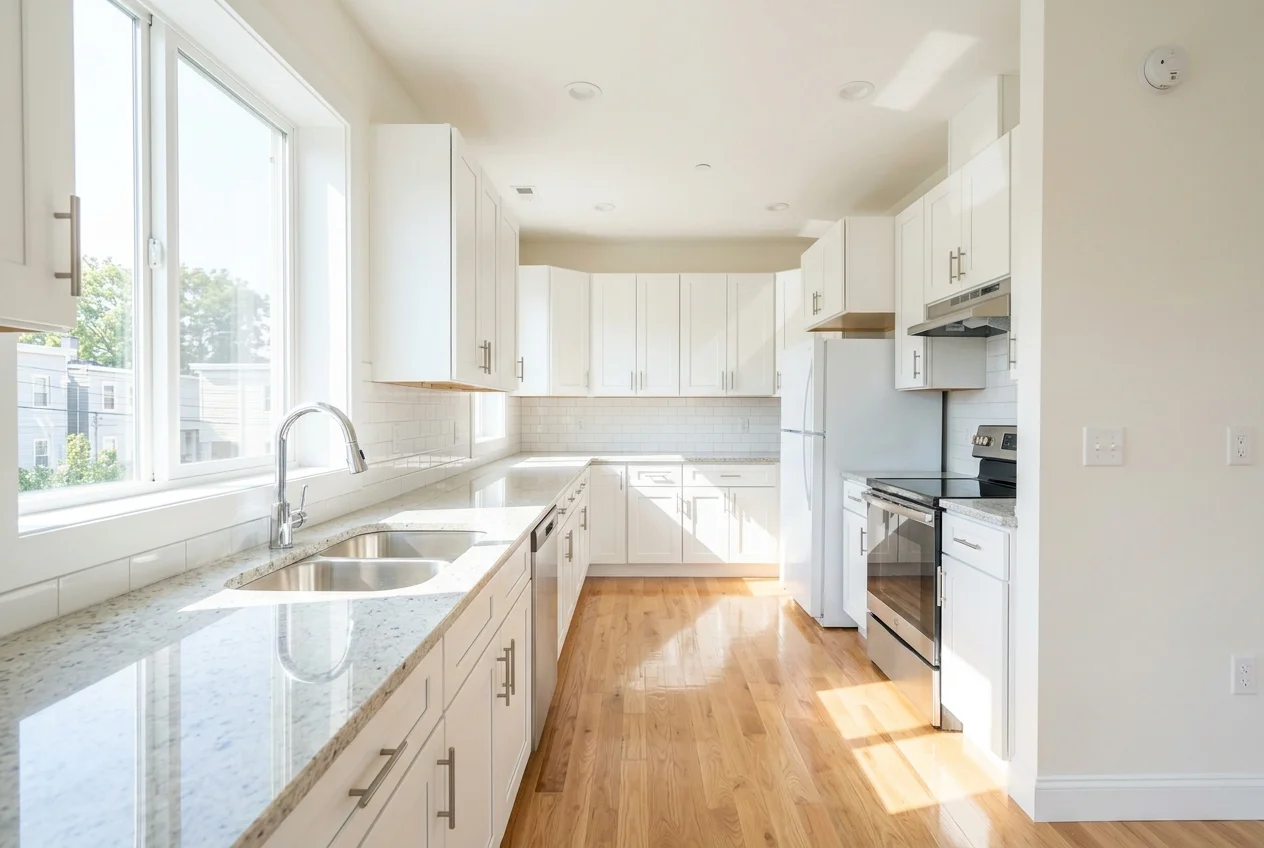
The Kitchen
The kitchen is where landlords look the closest.
- Oven: Use a heavy-duty oven cleaner on the inside. Don’t forget to clean the stovetop drip pans (or replace them; they are cheap) and scrub the range hood filter.
- Refrigerator: Empty it completely. Remove all drawers and shelves and wash them in the sink. Wipe down the inside walls and the rubber door seal. Pull it out (carefully!) to sweep and mop behind it.
- Cabinets: Wipe down the inside of every drawer and cabinet to remove crumbs. Scrub the cabinet faces to remove grease, especially near the stove.
- Sink and counters: Scrub the sink, polish the faucet, and wipe down all counters, paying attention to the grout lines if you have tile.
The Bathroom
A sparkling bathroom is crucial for a good final inspection.
- Shower/Tub: Scrub away all soap scum and mildew. Clean the grout thoroughly.
- Toilet: Clean the bowl, the seat, under the rim, and the base where it meets the floor.
- Fixtures: Polish the mirror and chrome fixtures so they are streak-free.
- Exhaust fan: Vacuum the dust out of the exhaust fan cover.
The Bedroom and Living Areas
These rooms are easier but require attention to detail.
- Walls and Baseboards: Wipe down baseboards to remove dust. Spot-clean walls with a damp microfiber cloth or a melamine sponge (like a Magic Eraser) for scuffs.
- Windows: Clean the glass on the inside, wipe out the window tracks (where bugs and dirt collect), and dust the blinds.
- Floors: This is the absolute last step. Vacuum all carpets thoroughly. Sweep and mop all hard floors on your way out the door.
Wall repair
Landlords expect “normal wear and tear,” but large holes or torn drywall can cost you.
- Nail holes: Fill small nail holes with spackle, smooth it out, and let it dry. If the wall is white, this is often enough. If it’s a specific color, you may need to ask the landlord for a touch-up paint match.
- Adhesive residue: Use an adhesive remover (like Goo Gone) or a hairdryer to gently warm and peel away stubborn Command Strip residue without ripping the paint.
Tip label: If you pull a Command Strip incorrectly and tear the drywall paper, don’t just paint over it. The tear will show. You need to apply a thin layer of joint compound, sand it smooth, and then paint.
Photograph everything
Before you hand over the keys, take a video walk-through of the empty, clean apartment. Take clear, well-lit photos of the inside of the oven, the inside of the fridge, the tub, and the floors. This is your evidence if the landlord tries to claim the apartment was left dirty.
Common deduction traps
- The drip pans: Stove drip pans are notoriously hard to get perfectly clean. If they are burnt, buy replacements at a hardware store for $15 to save a $50 deduction.
- Inside the dishwasher: Check the bottom of the dishwasher and clean out the food trap.
- Pet odors: If you have pets, use an enzyme cleaner on the carpets. Even if it looks clean, smells can lead to deep-cleaning deductions.
Renter-safe cautions
- Always test a Magic Eraser in an inconspicuous spot first; it can rub the finish off cheap flat paint.
- Do not mix cleaning chemicals, especially bleach and ammonia, which creates toxic gas.
- Be careful when pulling appliances out to clean behind them; they can easily scratch vinyl or hardwood floors.
Budget alternatives
- Under $25: A tub of spackle, a putty knife, and a sanding block for wall repairs.
- Under $50: A basic cleaning kit: all-purpose cleaner, glass cleaner, oven cleaner, a scrub brush, and microfiber cloths.
- Under $100: Renting a carpet cleaner from a local hardware store if your carpets have noticeable stains, which is much cheaper than a professional service or a lost deposit.
Common mistakes
- Leaving trash behind: Even leaving a broom or a bottle of cleaner “for the next tenant” can result in a trash removal fee. Leave the apartment completely empty.
- Forgetting the oven: It takes hours for oven cleaner to work, so if you wait until the last minute, you won’t be able to clean it properly.
- Skipping the move-out walkthrough: Always request to do the final walkthrough with your landlord so you can address any concerns on the spot.
Recommended product
For detail work before a move-out inspection, this 16-piece crevice cleaning brush set is a relevant product starting point. Confirm the brush materials, included pieces, surface guidance, seller, price, and return terms before ordering. Home in Layers has not personally tested this product.
View the crevice cleaning brush set on Amazon (affiliate link)
Related Home in Layers articles
- First Apartment Setup Checklist
- Decorating a Rental Without Damage
- Apartment Decorating Checklist
- No-Drill Storage Solutions
- How to Hang Wall Decor Without Nails
Takeaway
A strategic, methodical move-out clean is an investment of a few hours that can save you hundreds of dollars in unnecessary deposit deductions.
Explore More on Pinterest
Save this guide to your boards or check out our daily small-space styling ideas, renter-safe DIYs, and apartment resets.